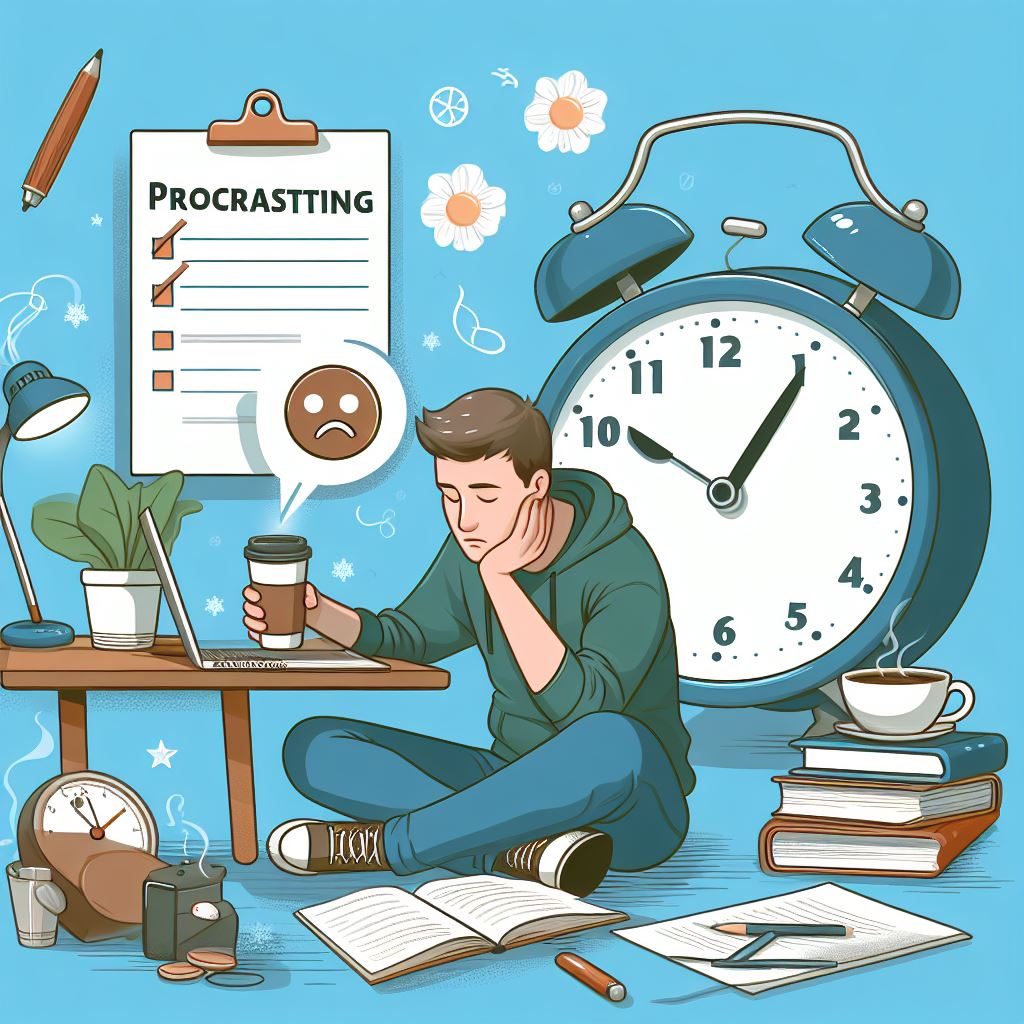
Mastering Procrastination: Harnessing Dopamine and Adrenaline for Productivity
“Procrastination is the grave in which opportunity is buried.” — Unknown Source
Do you find yourself caught in the loop of procrastination, only to thrive on the rush of adrenaline as deadlines approach? Are you addicted to the anticipation of tasks rather than the tasks themselves? You’re not alone. I too battle with the enticing tug of dopamine and adrenaline, often finding myself struggling to maintain productivity amidst their tantalizing effects.
Below are some of my thoughts on how I navigate through the maze of procrastination while harnessing the power of these biochemical rewards.
Dopamine: The Reward Molecule
Picture this: you’ve just set a goal for yourself—a daunting task that promises a sense of accomplishment once completed. As you contemplate the journey ahead, dopamine begins to flood your brain. Often dubbed the “reward molecule,” dopamine is the driving force behind our pursuit of pleasure and gratification. It keeps us seeking novelty and excitement, propelling us forward with the promise of satisfaction at the finish line.
Consider the example of Mr. X, a freelance writer with a looming deadline for a magazine article. As he sits down to brainstorm ideas, his brain is bathed in dopamine, fuelling his excitement and motivation to craft a compelling piece. The anticipation of seeing him work in print fills him with a sense of purpose and drive.
Adrenaline: The Energy Booster
Now, imagine a different scenario: you’re faced with a sudden challenge or impending deadline, sending your heart racing and your palms sweating. Enter adrenaline, the body’s natural response to stress and danger. This hormone triggers the fight-or-flight response, flooding your system with energy and focus to tackle the task at hand.
Take Miss Y, for instance, a sales executive preparing for a high-stakes presentation to a potential client. As the clock ticks down to the meeting, adrenaline courses through her veins, sharpening her focus and heightening her senses. The pressure of the moment ignites a surge of energy, driving her to deliver the pitch with confidence and conviction.
The Dopamine-Adrenaline Cycle in Productivity
In the intricate dance of productivity, dopamine and adrenaline work in tandem to propel us towards our goals. The anticipation of completing a task activates dopamine, fuelling our motivation and enthusiasm. Meanwhile, the pressure of a looming deadline triggers adrenaline, providing the necessary boost of energy and focus to get the job done.
However, like any addictive cycle, reliance on the dopamine-adrenaline rush can lead to a dangerous pattern of chronic procrastination.
Consider the case of Mr. A, a software developer who thrives on the adrenaline rush of coding under pressure. While he excels at meeting tight deadlines, his habit of leaving tasks until the last minute has become a source of stress and anxiety, affecting the quality of his work and his overall well-being.
This has adverse effects on sleep cycle and disturbs our circadian rhythm.
- Delayed Sleep Onset: The excitement and arousal associated with dopamine and adrenaline rushes can delay the onset of sleep, making it difficult to fall asleep at optimal bedtime.
- Disrupted Sleep Patterns: Excessive dopamine and adrenaline activity can disrupt the natural sleep-wake cycle, leading to irregular sleep patterns characterized by frequent awakenings during the night.
- Reduced Sleep Duration: High levels of arousal from dopamine and adrenaline can result in shortened sleep duration, as individuals may struggle to achieve deep, restorative sleep; which in long run can affect quality of life.
- Poor Sleep Quality: Even if individuals manage to sleep, the presence of heightened arousal can interfere with sleep quality, leading to shallow or fragmented sleep again affecting the necessary rest required for proper functioning during the next day.
- Increased Night-time Wakefulness: Dopamine and adrenaline rushes can contribute to increased night-time wakefulness, with individuals experiencing difficulty staying asleep or waking up frequently throughout the night. This in turn can affect the decision-making ability during the next day.
- Altered Circadian Rhythm: The circadian rhythm, which regulates the timing of sleep and wakefulness, can be disrupted by irregular patterns of dopamine and adrenaline activity, leading to a mismatch between internal body clocks and external environmental cues.
- Impaired REM Sleep: Rapid Eye Movement (REM) sleep, which is essential for cognitive function and emotional regulation, may be disrupted by excessive arousal from dopamine and adrenaline, resulting in decreased REM sleep duration and quality.
- Daytime Fatigue: Poor sleep quality and disrupted circadian rhythms can lead to daytime fatigue, drowsiness, and decreased alertness, impairing cognitive performance and overall functioning during waking hours.
- Increased Risk of Sleep Disorders: Chronic exposure to high levels of dopamine and adrenaline arousal may contribute to the development of sleep disorders such as insomnia, restless legs syndrome, or circadian rhythm disorders.
- Negative Impact on Health: Prolonged disruption of sleep patterns and circadian rhythms can have detrimental effects on physical and mental health, increasing the risk of obesity, cardiovascular disease, mood disorders, and cognitive impairment.
Navigating the Highs and Lows
The Three-Task Oscillation Strategy
To combat the allure of procrastination, I follow the three-task oscillation strategy. By engaging in multiple tasks simultaneously, each varying in complexity and enjoyment, you can prevent monotony.
For instance, consider alternating between a challenging technical read, a captivating biography, and a light fantasy novel. By rotating through these tasks based on mood and energy levels, you keep your mind engaged while mitigating the risk of boredom or burnout.
Implementing Accountability and Positive Reinforcement
Accountability serves as a cornerstone in overcoming procrastination. Tracking your progress through tools like Excel sheets, calendar notifications for tasks or apps like Goodreads provides tangible evidence of your efforts, reinforcing a sense of accomplishment.
Positive reinforcement further reinforces productive behaviour. Celebrate each milestone, whether it’s completing a chapter or surpassing your daily reading quota. By acknowledging your achievements and associating them with feelings of pride and satisfaction, you create a feedback loop that encourages continued progress.
Leveraging Triggers for Consistent Action
Triggers act as catalysts for action, nudging you towards productive behaviour. Incorporate reminders into your daily routine, whether it’s through calendar alerts or strategically placed sticky notes. These reminders should align with moments of positivity and motivation, amplifying the likelihood of engagement.
For instance, schedule an email reminder highlighting why you chose a specific book to read, reinforcing your initial motivation and reigniting your interest. By intertwining reading with moments of joy and enthusiasm, you establish a positive connection that fosters consistency.
Conclusion: Embracing Productivity with Purpose
In the pursuit of productivity, understanding the interplay between dopamine, adrenaline, and behaviour is crucial. By adopting strategies such as the three-task oscillation method, accountability, positive reinforcement, and triggers, you can reclaim control over your habits and channel the power of biochemical rewards towards meaningful progress.
Remember, productivity is not merely about completing tasks—it’s about embracing PURPOSE and FULFILMENT. So, harness the energy of dopamine and adrenaline, but do so with intention and direction. With dedication and strategic planning, you can transcend procrastination and unlock your full potential.
Through a blend of psychological insights and practical strategies, mastering procrastination becomes not only achievable but empowering. So, take charge of your journey towards productivity, one dopamine-fuelled step at a time.
That’s all for today, untill next time.
Disclaimer: This blog is author’s own thoughts and experiences on the topic, it is requested to not take the blog as a medical, psychological or cognitive recommendation.


Leave a comment