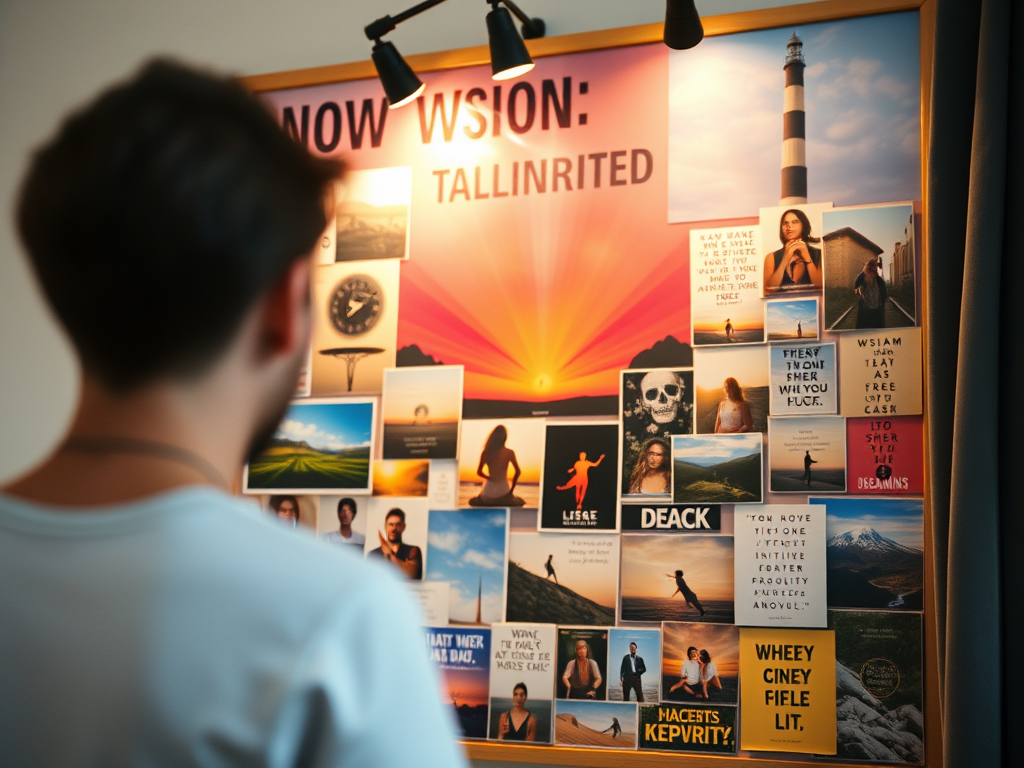
Have you ever caught yourself hesitating to set ambitious goals because they seem “too big” or “too unrealistic”? You’re not alone! Many of us hold back from chasing our dreams because of a deep-seated fear of failure or doubt in our ability to succeed. But what if I told you that this self-doubt is largely due to how your brain is wired—and that you can change it?
In Roxie Nafousi’s book Manifest, she highlights how creating a “Vision Board” can be a powerful tool to help you overcome these barriers. The problem, Nafousi explains, is that we don’t dream big enough because we get trapped by fear and doubt. But by understanding the neuroscience behind this process, we can learn how to rewire your brain and open yourself up to new possibilities. Let’s break down how this works.
How Your Brain Forms Beliefs and Habits
Our brain is an incredibly powerful organ, constantly processing information and shaping our behaviors. From the time we were a baby learning to walk, our brain has been developing new neural pathways—connections between neurons that strengthen with repeated use.
For example:- Think about learning to walk. We all didn’t master it on the first try. In fact, we probably fell over more times than we can count. But each time we tried, our brain fired neurons that gradually formed stronger connections between our muscles and nervous system. Eventually, walking became second nature. We no longer have to think about putting one foot in front of the other; our brain has automated the process.
Now, apply this to any new goal we set for yourself. Whether it’s starting a business, learning a new skill, or manifesting our dream life, our brain will need to create new neural pathways to support this new behavior.
However, fear and doubt can stop this process in its tracks.
Why Fear and Doubt Hold Us Back
Fear and doubt stem from a survival mechanism that’s hardwired into our brains. Back in ancient times, fear kept us alive by helping us avoid danger. Today, the same instinct kicks in whenever we perceive something as risky or unfamiliar, even if it’s not a life-threatening situation.
When we think about a big goal, our brain interprets it as risky or unattainable, triggering fear. Our brain’s default reaction is to avoid discomfort or failure (to stay in comfort zone – the area of least resistance), leading to a belief that the goal is unrealistic. This can result in thoughts like, “I’m not good enough,” or “What if I fail?” These negative beliefs, if left unchecked, can become so ingrained in our mind that they stop us from taking action altogether.
But the good news is, we can reprogram these limiting beliefs by forming new neural connections— and re-enforcing them continuously; just like we did when learning to walk.
The Power of Vision Boards
One way to start rewiring our brain is by setting goals and creating a Vision Board of the set goals, as Nafousi suggests. A Vision Board is a visual representation of our dreams and goals. It acts as a reminder of what we are striving for and helps you stay focused on your vision, even when self-doubt creeps in.
Why does this work? Neuroscience suggests that visualization is a powerful tool for creating new neural pathways. When we visualize our success, our brain interprets the images as real experiences, activating the same neural networks that would fire if we were actually living out your goals. It is like living the reality in our mind before it takes shape. This process helps reduce the fear linked to big goals because your brain begins to “normalize” the idea of achieving them.
Overwriting Old Beliefs with New Ones
The key to breaking free from fear and doubt is to challenge the beliefs that hold us back. When we believe that something is possible, we are more likely to take action toward it. By repeatedly exposing ourselves to positive thoughts, visualizations, and affirmations of our goals, we start to override old, limiting beliefs with new, empowering ones.
Let’s say our goal is to run a marathon. Initially, we think, “I’m not fit enough” or “I’ll never manage to run that far.” But through consistent training, our body and brain adjust to the idea of running distances. We start running short distances, gradually increasing the mileage. With each run, new neural pathways form in our brain, reinforcing the belief that we can achieve this goal. Eventually, the idea of running 26 miles is no longer impossible—it becomes part of our reality. This fluidity of our brain allows us to adapt to new circumstances. We adopt new behaviors and habits by overwriting earlier connections and forming new connections in our brain and nervous system. This process is called “neuroplasticity”.
This same principle applies to any goal we set. By breaking it down into smaller steps, repeating positive behaviors, and visualizing our success, we form a feedback-loop we form new neural connections that support our belief in achieving our dreams.
Actionable intakes to Rewire Your Mind for Success
- Create Your Vision Board: Use images and words that represent your biggest dreams. Place the board somewhere you’ll see it daily to keep your goals at the forefront of your mind. Be creative and indulge in the process.
- Visualize Daily: Spend a few minutes each day imagining yourself achieving your goals (preferably early in the morning). Focus on how it feels to succeed, experience it. This will help your brain “practice” success and weaken the fear-based thoughts that hold you back.
- Break Goals Into Small Steps: Big dreams can feel overwhelming, so break them into smaller, manageable tasks. Each small success will help form stronger neural connections, building confidence along the way. At times being patience works, even-though it might seem we are not moving ahead in our goal, journalling helps; again it creates a feedback-loop for minor corrections in the process.
- Celebrate Progress: Each time you achieve a step toward your goal, celebrate! Rewarding yourself helps strengthen the neural pathways that associate your efforts with success, making it easier to stay motivated.
Conclusion
Fear and doubt don’t have to dictate our life or limit our potential. By understanding how our brain works, we can actively rewire our thought patterns and create new neural connections that support our dreams. A Vision Board is a simple yet powerful tool to help us stay focused and push past the mental barriers that hold you back.
Remember, just like learning to walk, manifesting your goals is a process. With persistence, repetition, and belief in yourself, we can overcome fear, dream big, and turn our vision into reality. The key is to train your brain to believe in what’s possible!


Leave a comment