By the first week of January, the internet is unbearably sincere.
Everyone suddenly wants to “show up as their best self”. Gym memberships spike. Notebooks are bought. Somewhere, a poor bullet journal is being set up with the hope of changing someone’s life for exactly eleven days.
You and I both know how this story usually ends.
So this year, instead of another resolution, consider a different idea: not “become a new person”, but “trust the one you already are” when life shifts under your feet.
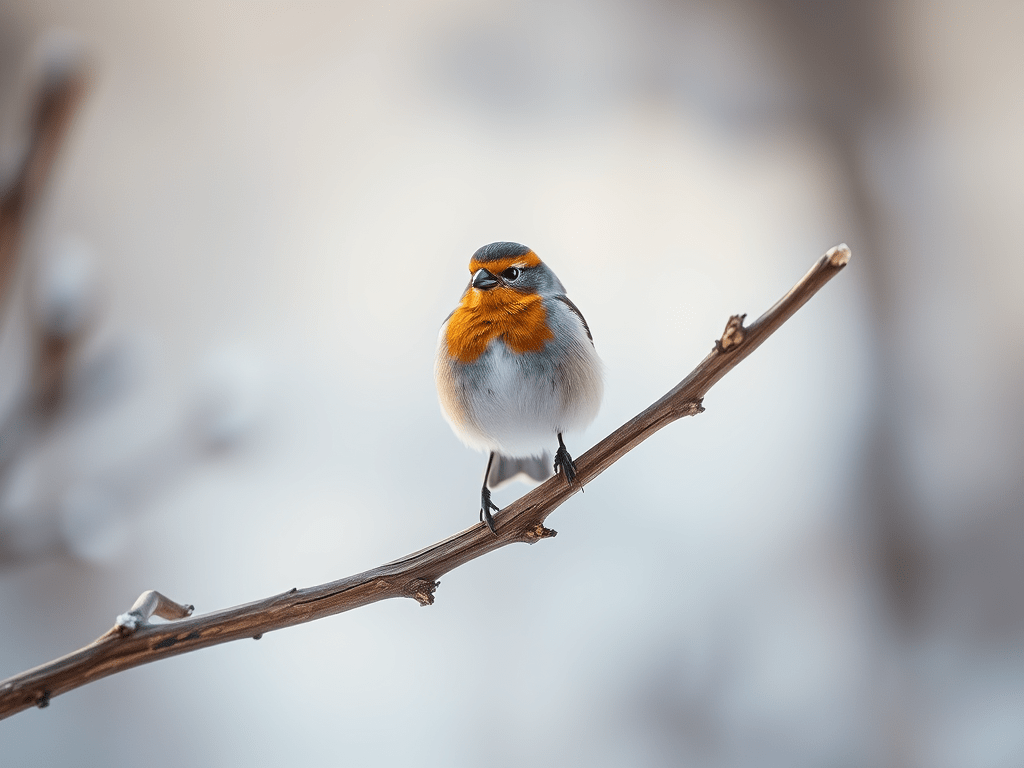
Picture a small bird on a dry, overstretched branch. The wind has been unkind. The branch is old. Any half-decent engineer would advise against sitting on it. Yet the bird doesn’t obsessively test its strength. It sits. Calm. Almost careless.
The secret is simple: the bird isn’t betting on the branch.
It’s betting on its wings.
A Train, A Letter, And A Decision
A few years ago, on a winter morning, a man named Rohan sat in the Deccan Queen, halfway between Pune and Mumbai. The compartment smelled of cutting chai and someone’s overenthusiastic perfume. On his lap: an envelope with his name on it, slightly crumpled at the corners from being opened too many times.
Inside was an offer letter from a company in Berlin.
On paper, it was the dream. Higher pay. Better projects. A city people post about on Instagram with suspiciously clean subway stations.
On the other side of his phone screen were his parents in Kolhapur, still trying to understand why someone would willingly go to a place where it snows that much. His mother’s question from the previous night hung in the air: “इथंच चांगली नोकरी आहे, कशाला एवढ्या लांब जातोस?” (You already have a good job here, why take such a big risk and go abroad?)
The branch he was sitting on—steady job, familiar city, predictable weekends at FC Road—wasn’t terrible. It was just… too known. Too rehearsed. The kind of life you can live half-asleep.
He looked out of the window. The landscape between Lonavala and Khandala rolled by, green in patches, brown in others, the way Maharashtra often looks when it hasn’t decided yet whether to be generous with rain.
He realised he was waiting for a feeling that would never come: total certainty. The “perfect branch” moment.
Clear sign from the universe. The Permission.
Instead, he had something else. Years of surviving small mistakes. Of lost projects. Of awkward presentations. Of getting lost in new cities and still finding the way back. Not glamorous, but real.
What he had, if he had to give it a Sanskrit name, was विश्वास—plain, unadorned self-trust. Not arrogance. Not “I can conquer the world”. Just a quiet sentence: “Whatever happens, I’ll handle it.”
He took the pen from the waiter who just brought him chai, turned the letter over, and scribbled one line on the back:
“Branch may break. Wings won’t.”
Then he signed the acceptance.
Life did not transform into a movie montage. The first year abroad was messy. Wrong trains. Loneliness. Winters that made Pune’s “cold wave” look like a bad joke. There were nights when he questioned everything.
But not once did he say, “I should never have jumped.”
Because the decision, he realised, was never about Berlin.
It was about finally choosing to trust his own wings over the branch.
The Problem With How We’re Taught To Trust
Many of us grew up on a strange diet of mixed advice:
- “Don’t be scared, just leap.”
- “Be practical, don’t take unnecessary risks.”
- “Have faith, things will work out.”
- “Also, plan everything properly, and don’t fail.”
It’s confusing. On Sunday, an uncle tells you to “follow your passion”. On Monday, the same uncle forwards a job openings WhatsApp message with “Apply immediately” and three folded-hands emojis.
Somewhere between these contradictions, trust becomes distorted. Either it turns into superstition (“somehow things will magically work out”), or into denial (“if I just don’t think about it, nothing bad will happen”).
Both versions are unreliable branches.
A more useful kind of trust is quieter. Less dramatic. Closer to the Sanskrit श्रद्धा—not religious devotion, but a kind of inner orientation. A decision: “When the time comes, I will act. I am not helpless.”
You can hear the difference in how people speak:
- “What if the company shuts down?” vs. “If the company shuts, I’ll be annoyed, but I’ll figure out next steps.”
- “What if this relationship fails?” vs. “If it fails, I’ll be shattered for a while, but I know how to rebuild myself.”
The facts don’t change. The branch is still capable of breaking.
The story you tell yourself about your wings changes everything.
The Maharashtrian Balcony Test
Think of an average evening in any Maharashtrian housing society. The balconies are full of silent philosophers.
A retired government officer watering money plants with more care than he ever gave his annual appraisals.
A young couple arguing in low voices about rent, EMI, and whose turn it is to call the plumber.
A student pacing while on a call about some exam result, already imagining three different futures based on one percentage.
If you pause and really watch, most of life’s important decisions are made here—not in giant conference rooms or dramatic movie moments, but in small, cluttered balconies and narrow living rooms that smell of tadka and mosquito repellent.
Everyone is asking, in their own dialect: “Can I risk this?”
Often, what they really mean is: “Can I trust myself if this goes wrong?”
The branch is rent agreements, PTA meetings, office politics, exam scores, visa rejections, parents’ expectations.
The wings are:
- Your ability to learn when you don’t know.
- Your ability to ask for help when you’re stuck.
- Your ability to start again when something ends.
Most of us underestimate this second list badly.
A Different Kind Of “New Year Power”
If you’re looking for a “superpower” for the year, skip the dramatic stuff.
Forget becoming fearless. Fear is not the enemy; paralysis is.
Instead, consider this very unglamorous, very adult ability:
To look at your current branch honestly, accept that it might crack, and still say: “I will sit here fully. And when it breaks, I will fly.”
In more practical terms, that might mean:
- Taking a project that scares you, not because you’re sure you’ll succeed, but because you trust you’ll grow even if you fail.
- Having a difficult conversation you’ve postponed for months, trusting your future self to deal with the aftermath.
- Saying “no” to a safe but deadening option, trusting that you can live with the discomfort of uncertainty.
It’s not heroic. No background music plays. From the outside, it might look like an ordinary Tuesday.
But internally, something shifts.
You stop living like a guest in your own life, always hoping the furniture doesn’t collapse. You start living like the bird on the branch—aware, slightly amused at the drama, ready.
And if you need one line to carry into the year, make it simple. Nothing spiritual. Nothing that needs a guru.
Just this:
“When the branch moves, I move. I trust my wings more than the wood.”
That’s enough.


Leave a comment